Machines, assets and sensors
Connect available digital interfaces, machine signals, sensors, identification technology and industrial edge devices. This can include modern equipment and older assets.

Aivhy connects machines, equipment and business systems into one reliable operational foundation. Start with the information your people need, then connect the right sources around it.
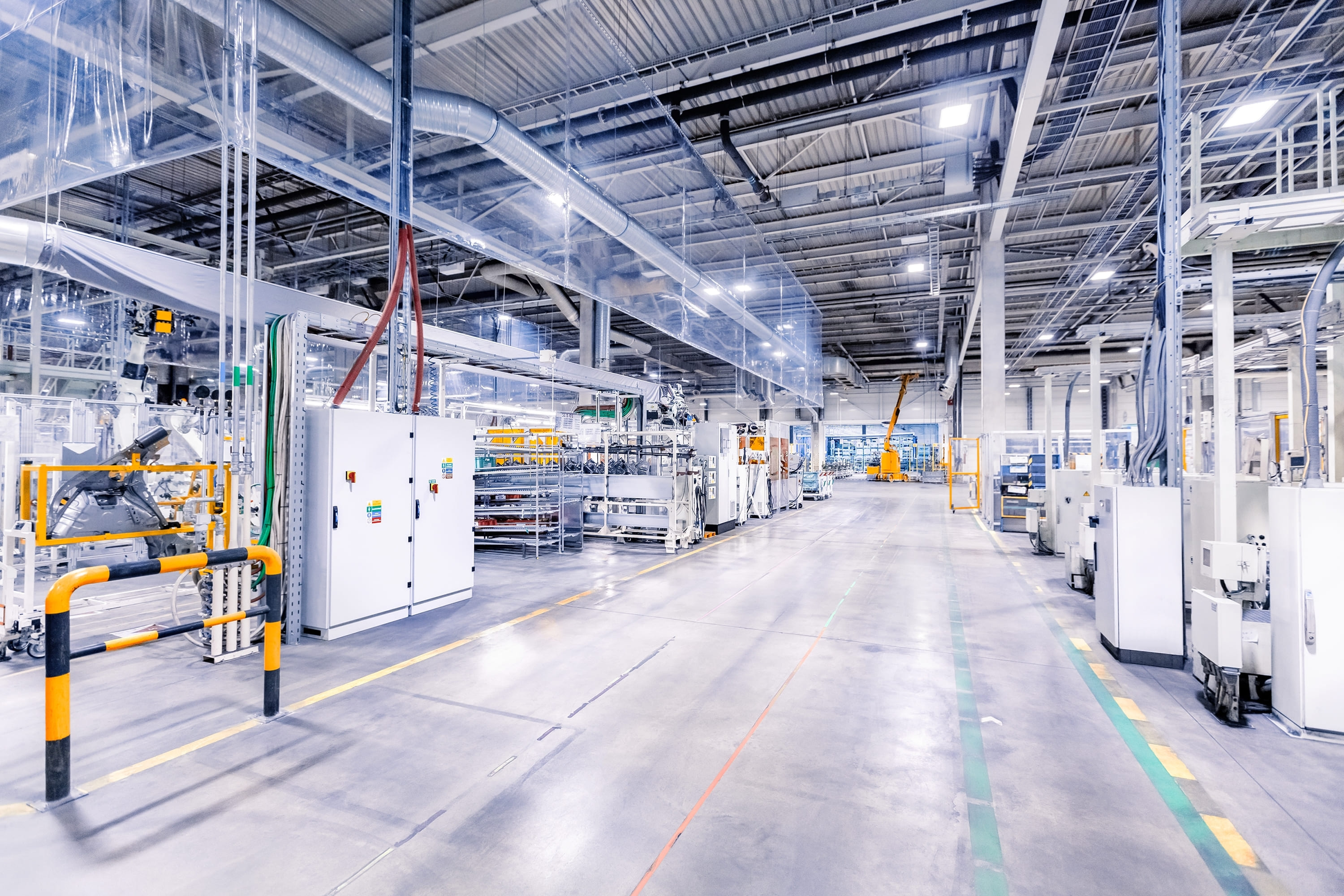
Machine signals, spreadsheets, paper records, manual exports and separate systems can each hold part of the picture. Teams then spend time searching, checking and re-entering information before they can act.
That makes it harder to compare plan with reality, keep a workflow moving and respond before a small issue becomes a larger one.
Most industrial sites combine machines, PLCs, sensors and SCADA systems with ERP, WMS, MES, LIMS, quality, planning and cloud tools. Aivhy starts with the operational event, decision or workflow that needs better information, not with a preferred supplier or protocol.
Connect available digital interfaces, machine signals, sensors, identification technology and industrial edge devices. This can include modern equipment and older assets.
Connect ERP, WMS, MES, LIMS, QMS, CRM and planning systems, together with databases, BI tools and cloud services.
Exchange authorised information through secure APIs, messages, files or data services, then route it to the right person, workflow or system.
Aivhy creates a structured integration layer between the source and the person or system that needs the information. It validates and enriches inputs, performs the required calculations and routes approved data where it creates operational value.
Sources
Machine · System · Sensor
Connect and structure
Aivhy integration layer
Operational use
Workflow · DashboardERP · Alert · AI
Aivhy can work with industrial connectivity such as OPC UA, Modbus, PROFINET, PROFIBUS, S7 communication and serial connections. On the IT side, this includes secure APIs, messages, files, databases and cloud services.
We can connect with platforms such as SAP, Microsoft Dynamics 365, Epicor, Sage, Xero, Oracle, Infor, NetSuite, Odoo, Exact and AFAS, where the available interfaces and operational requirements allow it.
Rather than adding one separate connection after another, Aivhy uses a Central Data Hub as a controlled point where authorised operational information can be shared in real time. Information is structured before it is reused in a workflow, dashboard, ERP system, alert or AI application.
Existing technology can remain in place. Aivhy adds the missing connection, workflow or information layer where it creates value.
Give machine, system and process information a clear meaning so it remains understandable and reusable across the operation.
Begin with one machine, line, process or information gap, then add departments or sites without rebuilding the foundation.
Integration needs clear access, controlled communication and an architecture that fits the site. Aivhy considers this from the start. Explore how this applies to industrial operations.
Explore industrial cyber securityDiscuss the machines, systems and operational workflows that currently make information difficult to use.