Proportionate investment
Match the hardware and software setup to the real requirement.
Inspect products, read labels and documents, and trigger the next operational step with the right camera for each use case. Connect every result to AIVHY BOS and your existing systems.
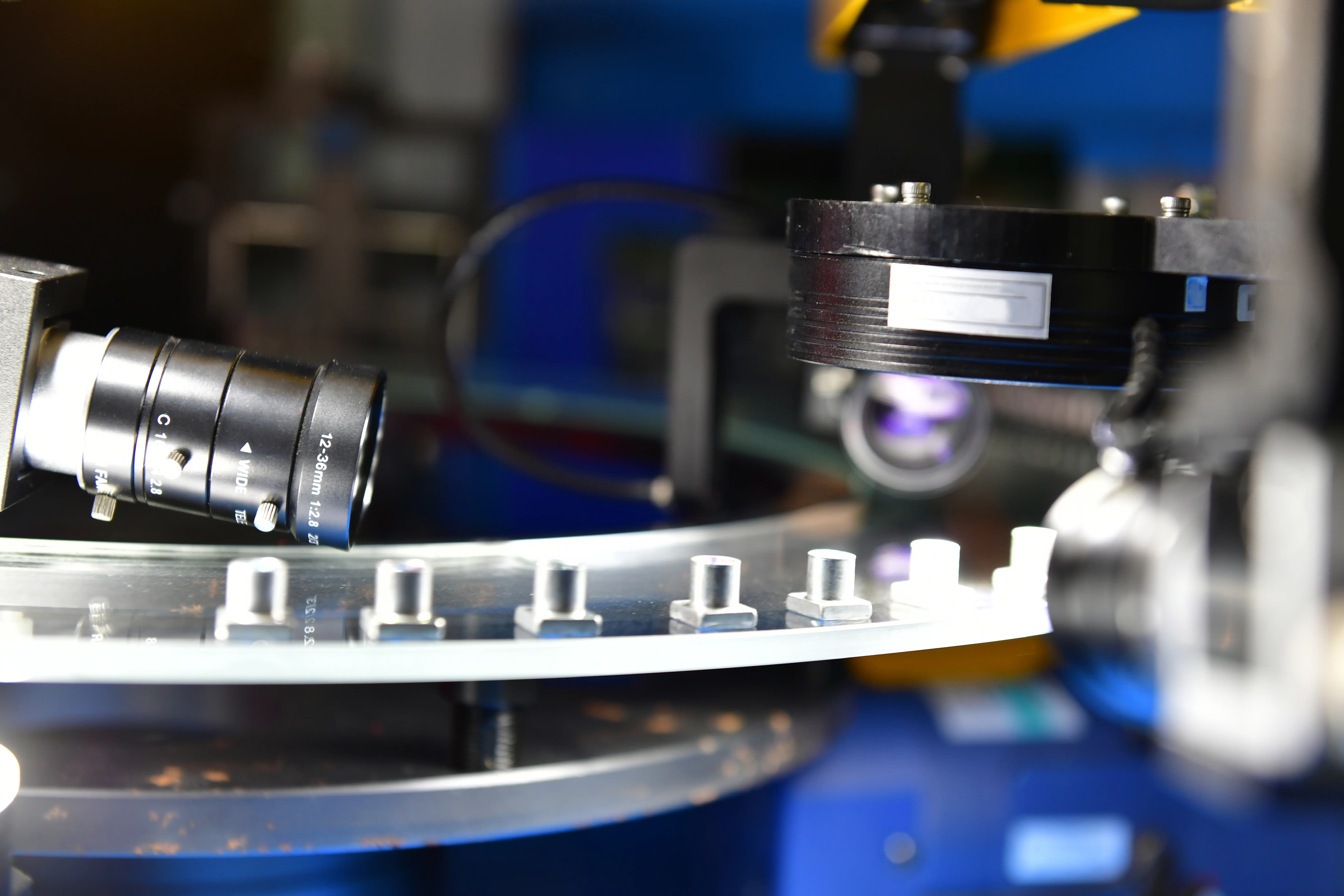
Many industrial Vision solutions are supplied as integrated combinations of cameras, software and licences. This can be the right fit for demanding applications, but applying the same configuration to simpler use cases or across multiple lines may require more hardware and investment than the process needs.
Aivhy takes a flexible approach. We assess the operational task first and select suitable hardware for that situation — from a relatively simple camera to industrial-grade equipment for demanding speed, accuracy or environmental conditions.
The principle
The use case determines the hardware. The hardware does not determine the use case.
Match the hardware and software setup to the real requirement.
Work across suitable brands and hardware classes.
Repeat a proven solution across lines and sites.
AIVHY Operational Vision becomes part of AIVHY BOS and the wider digital ecosystem. A detection or extracted document field can update the product history, release or block a workflow, create a quality action, notify the right person or send a confirmed result to an ERP, MES, WMS, QMS or another connected system.
From detection to action
The value is not the image or dashboard. The value is what the operation can do automatically, consistently and traceably after the image is processed.
Capture the relevant visual event.
Interpret quality, identity or condition.
Apply the agreed operational rule.
Add the result to the process history.
Continue, hold, route, notify or escalate.
Camera, lens, lighting and processing are selected together for the inspection task. Existing equipment can be used where technically appropriate.
Check visible characteristics and route exceptions consistently.
Identify unusual patterns that are difficult to capture with fixed rules.
Extract, validate and route document, label and code data into connected workflows.
Connect a product or component to its process history.
Confirm identity, presence, movement or location within a workflow.
Aivhy can supply a configurable pilot station to validate inspection, OCR, traceability or anomaly-detection use cases before a wider rollout. The station combines suitable camera hardware, controlled lighting, processing and Aivhy Vision software in one testable setup.
Select one operational problem and success measure.
Choose proportionate camera, optics and lighting.
Test with representative products and conditions.
Link the approved result to the required workflow.
Standardise and extend across lines or sites.
The same Vision capability can support a workstation, a production line or a quality process. It gives the relevant result to the people and systems involved.
Guide the operator, confirm a step or hold an exception.
Check continuously and trigger the agreed process response.
Create a consistent, traceable inspection record.
Connect the outcome to orders, assets, batches and workflows.
Inspect components continuously and route exceptions without interrupting the line.
Register incoming products automatically in the connected workflow or system.
Extract and validate delivery-note and invoice data, then route exceptions automatically.
Verify identity, label information and batch flow before the next step.
Identify an item and connect it directly to status, history and maintenance actions.
Highlight unusual visual patterns for consistent review and follow-up.
Up to
0%
Up to
0%
Up to
0%
Automate repetitive checks and focus people on exceptions.
Identify deviations earlier in the process.
Apply the same approved logic across shifts and lines.
Connect results to the correct product, batch, tool or workflow.
Detect conditions earlier and trigger faster follow-up.
Match hardware investment to each use case.
Aivhy turns visual inspection into a connected operational capability: detect, decide, record and act.
Tell us what needs to be inspected, identified or traced. We will assess the operational objective, the appropriate hardware level and how the result should connect to the rest of your process.